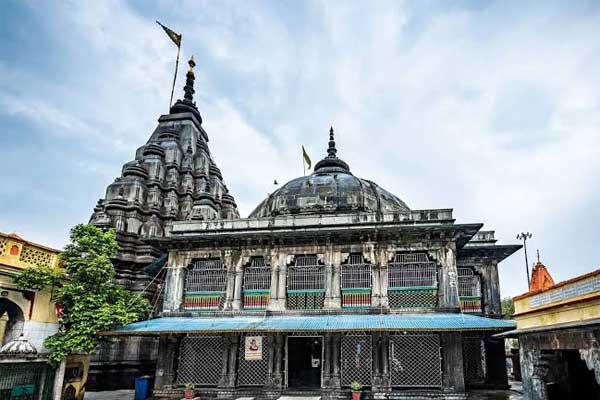
विष्णुपद मंदिर
विष्णुपद मंदिर गया जी का सबसे प्रमुख और पवित्र मंदिर है। इस मंदिर में भगवान विष्णु के चरणों के अंकित चिह्न हैं, जिन्हें "विष्णुपद" कहा जाता है। यहाँ पिंडदान करने से पितरों की आत्मा को मोक्ष की प्राप्ति होती है।
- भगवान विष्णु के चरण चिह्न
- पिंडदान का प्रमुख स्थल
- प्राचीन वैदिक परंपरा
- दैनिक पूजा एवं आरती
महत्व
विष्णुपद मंदिर में किया गया पिंडदान अक्षय फलदायी माना जाता है। यहाँ पितरों के नाम से दिया गया दान कभी नष्ट नहीं होता।
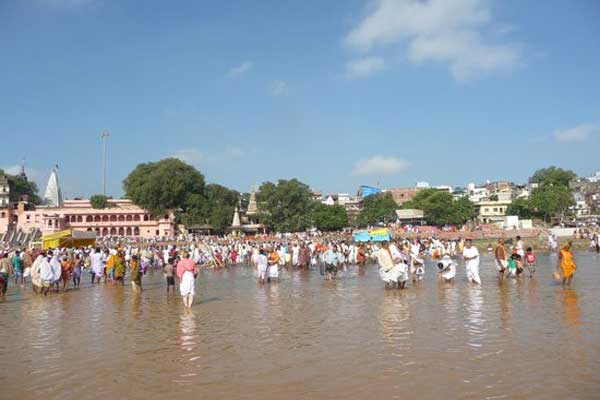
फल्गु नदी
फल्गु नदी गया जी की पवित्र नदी है। यहाँ तर्पण और पिंडदान का विशेष महत्व है। मान्यता है कि इस नदी में तर्पण करने से पितरों की आत्मा तृप्त होती है।
Flowing on the east side of Gaya, the Falgu River carries water only during the monsoon season. At other time the river bed is externally dry. However if you scratch some mud you will find water. Being cursed by Sita Devi, this river runs as under water river below the bed.
- पवित्र तर्पण स्थल
- अस्थि विसर्जन का प्रमुख स्थान
- ब्रह्म कपिला तीर्थ
- संध्या आरती एवं पूजा
महत्व
फल्गु नदी में तर्पण करने से सात पीढ़ियों के पितरों को तृप्ति मिलती है। यह नदी गंगा की तरह पवित्र मानी जाती है।
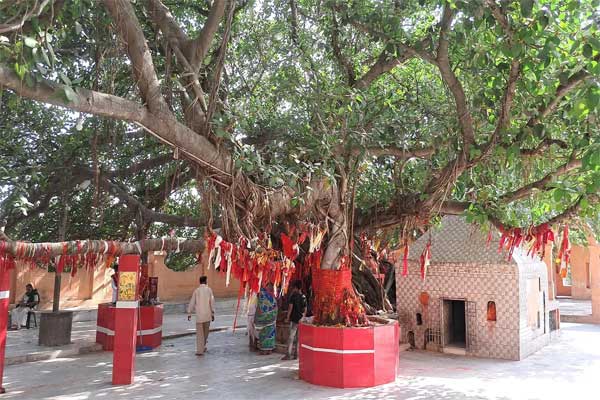
अक्षयवट
अक्षयवट एक प्राचीन बरगद का वृक्ष है जो कभी नष्ट नहीं होता। इस वृक्ष के नीचे पिंडदान करने का विशेष महत्व है। माना जाता है कि यहाँ का पिंडदान अक्षय पुण्य देता है।
- अक्षय पुण्य का प्रतीक
- प्राचीन वट वृक्ष
- पिंडदान का पवित्र स्थल
- वैदिक परंपरा का केंद्र
महत्व
अक्षयवट के नीचे किया गया पिंडदान अक्षय फलदायी है। यहाँ पितरों के नाम से दिया गया दान कभी नष्ट नहीं होता।
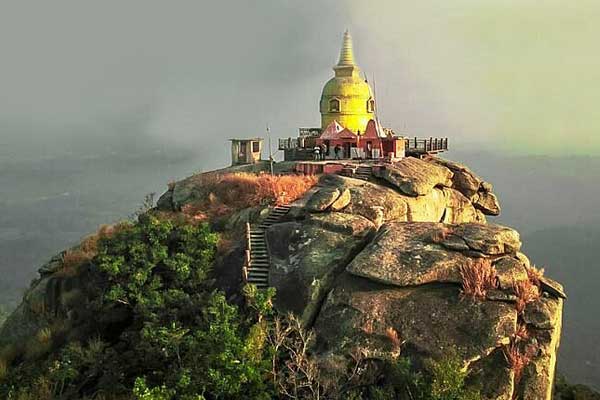
प्रेतशिला
प्रेतशिला एक पवित्र पहाड़ी है जहाँ प्रेत यoni से मुक्ति हेतु पूजा की जाती है। यहाँ नारायण बली पूजा का विशेष महत्व है।
Pretshila hill is about 10 kms from the Ramshila hill. Just below the hill the Brahma Kund is situated. After taking bath in this pond people go for the ‘Pind Dan’. On top of the hill the Queen of Indore, Ahilya Bai, built a temple in 1787 popularly known as Ahilya Bai Temple. This temple has always been an attraction for the tourists due to its unique architecture and magnificent sculptures.
- प्रेत मुक्ति का स्थल
- नारायण बली पूजा का केंद्र
- पितृ दोष निवारण
- अकाल मृत्यु शांति
महत्व
प्रेतशिला पर नारायण बली पूजा करने से अकाल मृत्यु को प्राप्त आत्माओं को मुक्ति मिलती है और पितृ दोष का निवारण होता है।

Sita Kund
On the opposite side of the Vishnu pad temple, Sita Kund is situated on the other banks of the Falgu River. There is a small temple depicting the spot where Sita Devi performed pinda dana for her father-in-law.
- प्रेत मुक्ति का स्थल
- नारायण बली पूजा का केंद्र
- पितृ दोष निवारण
- अकाल मृत्यु शांति
महत्व
प्रेतशिला पर नारायण बली पूजा करने से अकाल मृत्यु को प्राप्त आत्माओं को मुक्ति मिलती है और पितृ दोष का निवारण होता है।

मंगला गौरी मंदिर
मंगलगौरी एक पवित्र पहाड़ी है जहाँ प्रेत यoni से मुक्ति हेतु पूजा की जाती है। यहाँ नारायण बली पूजा का विशेष महत्व है।
Located on a small hill on the south side of Gaya, is one of famous Sati (Gouri) temple. The temple is situated in the nearby area of Akshya Vat. As mentioned in puranas, Lord Shiva was performing dance of dissolution maddened at the death of his wife sati. To stop this, Lord Vishnu had to cut the body of sati in to many pieces by his chakra to check Lord Shiva’s further Anger. As the pieces were cut, they fell at different locations and each of this location being turned in to a Shakti Peeth (Holyplace of worship of Gauri).
महत्व
प्रेतशिला पर नारायण बली पूजा करने से अकाल मृत्यु को प्राप्त आत्माओं को मुक्ति मिलती है और पितृ दोष का निवारण होता है।

Ramshila Hill
Ramshila Hill situated on the south-east side of Gaya is considered to be the most sacred place as it is believed that Lord Rama had offered ‘pinda’ on the hill. The name of the hill is associated with Lord Rama. A number of stone sculptures belonging to the ancient period can be sill notices on and around the hill which suggest the existence of some earlier structures or temples since very early time. The Temple situated on the top of the hill called as Ramesvara or Patalesvara temple was originally built in 1014 A.D. but has gone through many restoration and repairs in succeeding period. In front of the temple “pindas” are offered by the Hindu devotees during Pitrapaksh for their ancestors.
- प्रेत मुक्ति का स्थल
- नारायण बली पूजा का केंद्र
- पितृ दोष निवारण
- अकाल मृत्यु शांति
महत्व
प्रेतशिला पर नारायण बली पूजा करने से अकाल मृत्यु को प्राप्त आत्माओं को मुक्ति मिलती है और पितृ दोष का निवारण होता है।
Gaya is located 100 kilo-meters away from the capital city of Patna. Historically, Gaya was the part of the ancient Magadh Empire. The city is located on the bank of Falgu River and is considered among one of the most sacred cities for Hindus. Three hills Mangala-Gauri, Shringa-Sthan, Ram-Shila and Brahmayoni surround it from three sides and make it a safe and beautiful site. Gaya is an ancient place and has great heritage and history. Various modes of transportation connect Gaya with other major cities of Bihar along with rest of India
Gaya is sacred not only for Hindus but also for Buddhists, as the place has many Buddhist pilgrim destinations. These sacred places in Gaya correspond to physical features, most of which occur naturally. The banks of river Falgu and temples located on them are beautiful and attractive. A peepal tree standing on the bank of Falgu River called Akshayavat is considered sacred for Hindus. The tree is worshiped for its divinity
The Mangla Gauri shrine who is believed to be the first wife of Lord Shiva is worshiped here. The two rounded stones that symbolize the breasts of the mythological Sati have been considered sacred among Hindus. The most attractive destination in Gaya is Vishnupad Temple. The temple is located on the bank of river Falgu River and has footprint of Vishnu incised into a block of basalt. People believe that Lord Vishnu killed Gayasur by placing his foot on Gayasur’s chest.
The old temple of Vishnu pad was later renovated by the queen of Indore, Devi Ahilyabai in eighteenth century. While Hindus claim that footprints in Vishunpad temple are of Lord Vishnu, Buddhists consider them the footprints of Lord Buddha. The temple is nevertheless a major pilgrim destination.
Nomenclature of Gaya is based on the myth of demon Gayasur whom Lord Vishnu had killed in a fight. The place is so sacred for Hindus that even Lord Ram had performed Pindadanam here for his ancestors. Legend says that Lord Ram had come to Gaya to pay homage to his ancestors and Sita had accompanied him on his way. Gaya is equally important for Buddhists as this was the place where Lord Buddha preached the Fire Sermon i.e. Adittapariyaya Sutta to around 1000 agriculture workers who were fire-worshipers. The influence of Buddha’s discourse was so enormous that all of them converted to Buddhism.